
Solar Panels Canberra: Complete 2026 Buyer’s Guide for Homeowners

Solar Panels Canberra: Complete 2026 Buyer's Guide for Homeowners

Are you a Canberra homeowner considering switching to solar? Solar panels Canberra installations are booming  and for good reason. The ACT receives over 2,800 sunshine hours per year, making it one of Australia’s most solar-friendly capitals. With generous federal and ACT government incentives, falling installation costs, and rising electricity prices, 2026 is arguably the best year yet to go solar. This guide covers everything you need to make an informed decision from costs and rebates to choosing the right installer. Why Canberra Is an Ideal Location for Solar Energy Despite its reputation for cold winters, Canberra is actually an outstanding city for solar energy generation. The ACT capital enjoys some of the highest solar irradiance levels of any Australian capital, with rooftop panels averaging 4.8 to 5 peak sun hours per day throughout the year. Even on cooler winter days, modern solar panels operate more efficiently in lower temperatures, meaning Canberra’s climate can actually be an advantage for long-term energy production. As of December 2024, approximately 60,000 small-scale solar power systems have been installed in the ACT  representing around 32% of all ACT households. The ACT Government has set an ambitious target of achieving net-zero greenhouse gas emissions by 2045 and has maintained 100% renewable electricity since 2020, making solar adoption a priority for the territory’s clean energy future. How Much Do Solar Panels Cost in Canberra in 2026? Solar panel installation costs in Canberra follow a general rule of thumb of approximately AUD $1,000 per kW installed for a quality system. However, prices vary based on system size, panel brand, inverter type, roof complexity, and installer fees. ACT-specific compliance and labour standards mean quotes can sometimes sit slightly higher than in other states, but the quality of workmanship is generally excellent. The table below outlines average costs for the most common solar system sizes in Canberra after applying estimated Small-Scale Technology Certificate (STC) rebates in 2026:   System Size Avg. Cost (Before Rebate) Est. Rebate (STC) Net Cost (After Rebate) Daily Output (kWh) 3kW $3,500 – $4,800 ~$800 ~$2,700 – $4,000 12 – 14 kWh 5kW $4,500 – $6,000 ~$1,100 ~$3,400 – $4,900 19 – 22 kWh 6.6kW (Most Popular) $5,500 – $8,000 ~$1,357 ~$4,143 – $6,643 24 – 28 kWh 10kW $7,500 – $10,500 ~$2,000 ~$5,500 – $8,500 38 – 42 kWh   Factors That Affect Your Solar Installation Quote Several key factors can push your final quote above or below the averages shown: Panel Brand: Panel brand and efficiency  premium brands like REC, SunPower, and Tindo cost more upfront but deliver better long-term performance. Inverter Type: Inverter type standard string inverters are most affordable, while microinverters or hybrid inverters for battery-readiness cost more. Roof Orientation: Roof pitch and orientation north-facing roofs at an optimal angle get the best output; east/west-facing setups are still viable but may require more panels. Installer Quality: Installer reputation CEC-accredited installers may quote higher, but provide better workmanship warranties and compliance assurance.   ACT Government Solar Rebates and Incentives in 2026 One of the biggest advantages of going solar in Canberra is the layered incentive structure available to homeowners. Residents can often stack multiple rebates and loan schemes to dramatically reduce the out-of-pocket cost of their solar installation. Here is a comprehensive summary of all available incentives as of early 2026:   Incentive Program Amount / Benefit Eligibility Administered By Federal STC Rebate ~$1,357 (6.6kW in 2026) All homeowners, systems ≤100kW Federal Govt. / Installer Home Energy Support Program (HESP) Up to $2,500 (50% of cost) Concession card holders ACT Government Sustainable Household Scheme (SHS) Loan Loan $2,000–$15,000 (3% interest) UV ≤ $750K (freestanding home) ACT Govt. / Brighte Next Gen Energy Storage Rebate Up to $3,500 or 50% battery cost ACT homeowners & businesses ACT Government Cheaper Home Batteries Program Federal battery rebate support Solar + battery installations Federal Govt.   Federal Small-Scale Technology Certificates (STCs) The Small-scale Renewable Energy Scheme (SRES) is the primary federal rebate available to all ACT homeowners installing solar systems up to 100kW. Canberra sits in STC Zone 3, with a rating of 1.382. For a 6.6kW system installed in 2026, this equates to approximately 34 STCs, worth around AUD $1,357 (at an STC market value of ~$39.90). Your accredited installer typically handles the paperwork and applies this as a direct point-of-sale discount on your quote. Importantly, the number of STCs decreases slightly each year as the scheme winds down toward its 2030 end date — making sooner installation financially advantageous.   ACT Home Energy Support Program (HESP) The Home Energy Support Program offers eligible ACT homeowners a rebate of up to $2,500 (50% of total supply and installation cost) for rooftop solar PV systems. A second $2,500 rebate is also available for energy-efficient products such as insulation, heat pumps, or electric stovetops  totalling up to $5,000. To qualify, you must hold a valid concession card (Pensioner Concession Card or Veterans’ Affairs Gold Card), attend a free online home energy workshop, and meet the property unimproved value (UV) threshold of $750,000 or below. Applications must be submitted before installation begins.   ACT Sustainable Household Scheme (SHS) The Sustainable Household Scheme, facilitated by Brighte (the ACT Government’s lending partner), provides low-interest loans from $2,000 to $15,000 to help eligible ACT homeowners finance energy-efficient upgrades. As of July 2025, the scheme operates at a 3% interest rate over a repayment period of up to 10 years. Eligible products include solar PV systems, battery storage, heat pumps, EV chargers, and ceiling insulation. This scheme is not limited to a single purchase you can access it multiple times for different eligible products over the life of the scheme.   Next Gen Energy Storage Rebate The Next Gen Energy Storage program provides rebates for residential and commercial battery storage systems — up to $3,500 or 50% of the battery cost (excluding GST), whichever is lower. This rebate can be combined with the Cheaper Home Batteries Program (federal) and the Sustainable Household Scheme loan, allowing savvy homeowners to significantly reduce battery storage

Is Solar Worth It in Canberra?

Is Solar Worth It in Canberra

Canberra homeowners increasingly wonder: is solar worth it in Canberra? With Australia’s capital experiencing 300+ sunny days annually and electricity prices continuing to rise, solar energy presents a compelling opportunity. The Australian Capital Territory offers unique advantages including generous government incentives, high solar irradiance levels, and progressive renewable energy policies. This comprehensive guide examines installation costs, potential savings, payback periods, and whether investing in solar panels makes financial sense for Canberra residents in 2026. Understanding Canberra’s Solar Potential Why Canberra Is Ideal for Solar Energy Canberra’s climate creates exceptional conditions for solar energy generation. The city receives approximately 2,800 hours of sunshine annually, significantly above the national average. According to the Bureau of Meteorology, Canberra’s clear, dry winters and sunny summers provide consistent solar exposure throughout the year. This reliable sunshine translates directly into higher electricity generation and faster return on investment compared to cloudier regions. The ACT’s elevation and relatively low humidity further enhance solar panel efficiency. Unlike coastal areas where salt and moisture can degrade panels, Canberra’s inland location means less maintenance and longer system lifespans. These geographic advantages make solar installations particularly worthwhile for local homeowners. Solar Irradiance Levels in the ACT Canberra receives an average of 4.5-5.0 peak sun hours daily, placing it among Australia’s top-performing solar locations. This means a standard 6.6kW system can generate approximately 25-30kWh per day, sufficient to power most households completely. The consistent solar resource ensures predictable energy production and reliable savings year-round. Cost Analysis: Solar Installation in Canberra Average Installation Costs Solar panel costs in Canberra vary based on system size and quality. Here’s a detailed breakdown of current market prices: System Size Average Cost (After STC Rebate) Panels Included Ideal For 3kW $3,500 – $4,500 8-10 panels 1-2 person households 5kW $4,500 – $6,000 13-17 panels 3-4 person households 6.6kW $5,500 – $7,500 17-22 panels 4-5 person households 10kW $8,500 – $12,000 26-33 panels Large homes/businesses These prices reflect quality Tier 1 panels with reputable inverters and include professional installation. The Small-scale Technology Certificates (STC) rebate, administered by the Clean Energy Regulator, significantly reduces upfront costs, making solar more accessible to Canberra residents. Additional Components and Upgrades Beyond basic installation, homeowners should budget for potential upgrades. Smart inverters with monitoring capabilities add $200-$500 but provide valuable performance tracking. Panel optimizers, beneficial for shaded roofs, cost an additional $150-$200 per panel. Some homes may require electrical panel upgrades ($500-$1,500) to safely accommodate solar systems. Financial Returns and Savings Electricity Bill Reductions The average Canberra household consumes approximately 18-20kWh daily. With electricity rates averaging $0.28-$0.32 per kWh, annual power bills typically reach $2,000-$2,500. A properly sized 6.6kW solar system can reduce these bills by 70-90%, saving $1,400-$2,250 annually. Self-consumption rates significantly impact savings. Households using electricity during daylight hours maximize returns by consuming their solar-generated power directly. Families with daytime energy use patterns see payback periods of just 3-4 years, while those heavily reliant on evening power may experience 5-6 year payback periods. Feed-in Tariff Benefits Canberra residents benefit from competitive feed-in tariffs when exporting excess solar power to the grid. Current rates range from $0.08-$0.12 per kWh depending on your retailer. While lower than consumption rates, feed-in tariffs provide additional income streams, particularly valuable for households generating more power than they consume. A 6.6kW system typically exports 30-40% of generated electricity, earning $300-$600 annually through feed-in credits. Combined with consumption savings, total annual benefits reach $1,700-$2,850 for average households. Government Incentives and Rebates ACT-Specific Programs The ACT Government demonstrates strong commitment to renewable energy through various support programs. While the generous feed-in tariff scheme closed to new applicants in 2024, current incentives remain substantial. The federal STC rebate reduces installation costs by approximately $2,000-$3,500 depending on system size and location. Additionally, Canberra homeowners can access interest-free loans through the Sustainable Household Scheme, providing up to $15,000 for solar installations. This program eliminates financial barriers, allowing residents to install solar with zero upfront costs and repay through manageable installments. Tax Benefits and Depreciation Small business owners and landlords can claim tax deductions for solar installations. The instant asset write-off allows eligible businesses to immediately deduct the full installation cost, significantly improving first-year returns. Rental property owners can claim depreciation over the system’s lifetime, reducing taxable income for years. Return on Investment Timeline Payback Period Calculations Most Canberra solar installations achieve payback within 4-6 years. This calculation considers installation costs, annual savings, feed-in tariff income, and available rebates. Systems purchased through interest-free government loans often reach cash-flow positivity immediately, as monthly savings exceed loan repayments. After payback completion, solar panels continue generating free electricity for 15-20+ additional years. Quality systems with 25-year warranties deliver lifetime savings exceeding $30,000-$50,000, representing returns of 300-600% on initial investment. Long-term Value Proposition Solar panels increase property values significantly. Studies indicate homes with solar installations sell 3-4% higher than comparable properties without solar. In Canberra’s competitive real estate market, this premium translates to $20,000-$40,000 additional value for median-priced homes, further enhancing the investment case. Potential Challenges and Considerations Shading and Roof Orientation Not all Canberra homes are equally suitable for solar. North-facing roofs deliver optimal performance, while east and west orientations still achieve 85-90% efficiency. South-facing installations generate significantly less power and may not justify investment costs. Tree shading presents the most common challenge. Even partial shading can reduce system output by 20-30%. Professional solar assessors provide shade analysis reports, helping homeowners understand realistic production expectations before committing to installation. Battery Storage Considerations Battery storage systems enhance solar value but add $8,000-$15,000 to installation costs. While batteries increase energy independence and provide backup power during outages, current prices mean extended payback periods of 10-15 years. However, battery costs continue declining, and future retrofitting remains possible as prices improve. Frequently Asked Questions How much can I save with solar panels in Canberra? Average Canberra households save $1,400-$2,250 annually on electricity bills with a 6.6kW solar system, depending on consumption patterns and self-usage rates. What size solar system do I need for my Canberra home? Most 3-4 person

Solar Battery Guide for Canberra & NSW Homes
Solar Battery Guide for Canberra & NSW Homes

As energy costs continue to rise across Australia, homeowners in Canberra and New South Wales are increasingly turning to solar battery systems to maximise their solar investment. This comprehensive Solar Battery Guide for Canberra & NSW Homes explores everything you need to know about selecting, installing, and benefiting from solar battery storage. Whether you’re looking to reduce electricity bills, achieve energy independence, or contribute to a sustainable future, understanding solar batteries is essential for making an informed decision that suits your household’s unique energy needs. Understanding Solar Battery Technology What Are Solar Batteries? Solar batteries are energy storage systems designed to capture excess electricity generated by your solar panels during daylight hours. Instead of sending surplus energy back to the grid, these batteries store it for use during evening hours, cloudy days, or power outages. Modern lithium-ion batteries, similar to those in electric vehicles, have become the gold standard for residential solar storage due to their efficiency, longevity, and declining costs. How Solar Batteries Work When your solar panels produce more electricity than your home consumes, the excess power charges your battery system. Once the sun sets or during periods of high energy demand, your home draws power from the battery rather than the electricity grid. This process is managed by an intelligent battery management system (BMS) that optimizes charging and discharging cycles, ensuring maximum efficiency and battery lifespan. Advanced inverter technology converts the direct current (DC) stored in batteries into alternating current (AC) used by household appliances. Hybrid inverters can manage both solar panel input and battery storage, while some systems use separate solar and battery inverters for greater flexibility. Why Canberra and NSW Homes Need Solar Batteries Rising Electricity Costs According to the Australian Energy Regulator, electricity prices in NSW and the ACT have increased significantly over the past decade. The average household electricity bill in NSW ranges from $1,600 to $2,200 annually, with ongoing inflation of 3-5% per year making solar batteries an increasingly attractive investment. By storing solar energy and reducing grid dependence, homeowners can significantly reduce their exposure to future price increases. Feed-in Tariff Reductions Feed-in tariffs—the rates utilities pay for excess solar energy—have dropped considerably in recent years due to grid saturation. In NSW and the ACT, current feed-in tariffs range from 7-12 cents per kilowatt-hour (kWh) for daytime exports, while the cost of purchasing grid electricity averages 25-35 cents per kWh. This widening gap—up to 28 cents per kWh difference—makes self-consumption of solar energy through battery storage far more economically viable than exporting to the grid. Climate and Solar Potential Canberra enjoys approximately 2,900-3,000 hours of sunshine annually, producing an average of 4.7 kWh per installed kilowatt daily (Climate Zone 3), while many NSW regions receive similar or higher solar radiation levels. This abundant sunshine creates ideal conditions for solar energy generation, making battery storage a logical extension to maximize the value of your solar investment throughout the year. Energy Independence and Blackout Protection Severe weather events, bushfires, and grid maintenance can cause power outages. Solar batteries with backup functionality provide peace of mind by maintaining power to essential appliances during grid failures, ensuring your home remains comfortable and safe during emergencies. Types of Solar Batteries Available Lithium-Ion Batteries Lithium-ion batteries dominate the residential solar storage market with approximately 95% market share, with Lithium Iron Phosphate (LFP) chemistry becoming the standard in 2026 due to superior performance characteristics: High energy density: More storage capacity in compact units Long lifespan: Typically 10-15 years with 6,000+ charge cycles Excellent efficiency: Round-trip efficiency of 90-95% Minimal maintenance: No regular servicing required Deep discharge capability: 90% depth of discharge for LFP chemistry Enhanced safety: LFP chemistry offers superior thermal stability Popular lithium-ion options include Tesla Powerwall, Sungrow batteries, LG Chem RESU, and BYD systems, all widely available through installers across Canberra and NSW. Lead-Acid Batteries While largely superseded by lithium technology and representing less than 5% of the residential market in 2026, lead-acid batteries remain a rare option for extremely budget-conscious homeowners: Lower upfront cost: 40-50% less expensive than lithium alternatives Proven technology: Decades of reliable performance data Nearly obsolete: Very limited installer support and availability Shorter lifespan: Typically 3-7 years Lower efficiency: Round-trip efficiency of 70-80% Limited discharge depth: Only 50% usable capacity to preserve lifespan Regular maintenance: Periodic water topping required for flooded types Due to poor economics and limited availability, most installers now recommend lithium-based systems exclusively. Flow Batteries Flow batteries represent emerging technology with unique advantages but remain a niche option due to cost: Unlimited cycling: No degradation from charge/discharge cycles Scalable capacity: Energy and power can be independently sized Long lifespan: 20+ years potential Safe chemistry: Non-flammable electrolyte Significantly higher cost: Approximately $20,000+ for 10 kWh systems (e.g., Redflow) Larger footprint: Require more installation space Limited availability: Few residential installations; primarily commercial applications Flow batteries suit specialized applications where extreme longevity justifies premium pricing, but represent less than 1% of residential installations. Key Factors When Choosing a Solar Battery Battery Capacity and Power Rating Capacity, measured in kilowatt-hours (kWh), indicates how much energy the battery can store. Most Canberra and NSW homes require 10-15 kWh of storage for adequate overnight coverage. Power rating, measured in kilowatts (kW), determines how many appliances can run simultaneously from the battery. For example, a battery with 13.5 kWh capacity and 5 kW continuous power can store enough energy for overnight use while powering multiple appliances simultaneously, including air conditioning, refrigeration, and lighting. Depth of Discharge (DoD) DoD indicates how much of the battery’s capacity can be safely used without damaging the system. Lithium-ion batteries typically offer 90% DoD, meaning a 10 kWh battery provides 9 kWh of usable storage. Lead-acid batteries generally offer only 50% DoD, effectively halving their usable capacity. Round-Trip Efficiency This metric measures how much energy you can retrieve compared to what you put in. A battery with 90% round-trip efficiency returns 9 kWh for every 10 kWh stored. Higher efficiency translates to greater energy savings over the system’s lifetime. Warranty and

Solar Panel Cost in Canberra with Rebates 2026: Complete Financial Guide
Solar Panel Cost in Canberra with Rebates 2026 | Complete Guide

Introduction Understanding solar panel cost in Canberra with rebates 2026 is essential for homeowners planning to transition to renewable energy. Canberra residents benefit from multiple financial incentives, including federal Small-scale Technology Certificates (STCs) and ACT government rebate programs that significantly reduce upfront installation costs. With average system prices ranging from $4,800 to $6,300 for popular 6.6kW systems after rebates, solar energy has become increasingly accessible. This comprehensive guide explores current pricing, available rebates, system sizes, and return on investment calculations to help you make informed decisions about solar installation in Australia’s capital. Current Solar Panel Costs in Canberra (2026) Solar panel installation costs in Canberra vary based on system size, equipment quality, and installation complexity. The prices below reflect post-rebate costs, as installers typically deduct the federal STC rebate upfront. System Size Pricing Breakdown System Size Gross Cost (Before Rebate) STC Rebate Amount Net Cost (After Rebate) 3kW $5,000 – $6,200 $1,000 – $1,200 $3,800 – $5,200 5kW $6,500 – $8,000 $1,400 – $1,700 $4,800 – $6,600 6.6kW (Most Popular) $7,100 – $8,600 $1,800 – $2,300 $4,800 – $6,300 10kW $10,500 – $13,000 $2,900 – $3,500 $7,000 – $10,100 13kW $13,500 – $17,000 $3,700 – $4,500 $9,000 – $13,500 15kW $15,500 – $19,500 $4,300 – $5,200 $10,200 – $15,200 Source: Based on Solar Choice February 2026 index and current STC market rates ($36-40 per certificate) The 6.6kW system remains the most popular choice among Canberra households, offering an optimal balance between cost, energy production, and available roof space. This system typically generates enough electricity to power a standard 3-4 bedroom home. Actual prices vary based on equipment quality and installer, with premium systems at the higher end of ranges. Factors Affecting Installation Costs Several variables influence the final price of your solar installation: Equipment Quality: Premium brands like LG, SunPower, or Q Cells command higher prices but offer superior efficiency and longer warranties. Budget-friendly options from Trina Solar or Canadian Solar provide reliable performance at lower costs. Inverter Selection: String inverters are the most economical option, while microinverters or power optimizers increase system costs by 15-25% but offer better performance in shaded conditions. Roof Complexity: Multi-story homes, tile roofs, or installations requiring structural upgrades increase labor costs. Simple single-story metal roof installations are typically the most affordable. Installation Location: Labor rates and travel costs vary across Canberra’s suburbs, with regional areas like Jerrabomberra or Queanbeyan potentially incurring higher charges. Federal Solar Rebates: Small-scale Technology Certificates (STCs) The Australian government’s STC scheme provides the foundation for solar affordability in Canberra. This incentive reduces upfront installation costs by approximately 30-40% for most residential systems. How STCs Work STCs are renewable energy certificates created when you install an eligible solar system. Each certificate represents one megawatt-hour of renewable electricity your system will generate over its “deeming period” (the years remaining until December 2030). The STC calculation formula for Canberra (Zone 3): Number of STCs = System size (kW) × Zone rating (1.382) × Deeming period (years until 2030) For example, a 6.6kW system installed in early 2026: 6.6kW × 1.382 × 4.5 years (mid-2026 installation) = 41 STCs 41 STCs × $38 (average 2026 trading value) = $1,558 rebate At higher market rates: 41 STCs × $40 = $1,640 rebate Note: Installing in early 2026 maximizes your rebate. The deeming period reduces to 4 years by late 2026, and 3 years in 2027, significantly decreasing STC values. For larger systems (10kW+), STCs can range from 55-75 certificates, yielding rebates of $2,900-$3,500. Important STC Considerations Time-Sensitive Rebates: The deeming period decreases by one year annually, reducing available STCs. Installing in 2026 versus 2027 could mean a difference of several hundred dollars. Automatic Application: Most installers handle STC creation and assignment, immediately deducting the value from your quote. You never directly receive or manage certificates. Eligibility Requirements: Your system must be installed by a Clean Energy Council (CEC) accredited installer using CEC-approved panels and inverters. Systems must not exceed 100kW capacity for residential properties. ACT Government Solar Rebate Programs Beyond federal incentives, the ACT government offers targeted rebate programs to specific homeowner groups, making solar even more affordable for eligible residents. Home Energy Support Program (HESP) The HESP provides substantial financial assistance to concession cardholders, addressing energy affordability for vulnerable households. Eligibility Criteria (as of 2026): Hold an Australian Government Pensioner Concession Card, Department of Veterans’ Affairs Gold Card, or Health Care Card Own and occupy the property where solar panels will be installed For non-unit properties: Unimproved value must not exceed $750,000 (based on 2022 valuations) Must attend a free online Everyday Climate Choices workshop Pre-approval is mandatory BEFORE installation begins Eligibility requirements have been tightened post-2023; previous thresholds were lower (~$450k during Sustainable Household Scheme era) Financial Benefits: Rebate A: 50% of total solar installation cost, up to $2,500 maximum Rebate B: Additional 50% rebate (up to $2,500) for other energy-efficient upgrades like heat pumps or insulation Total potential rebate: $5,000 for combined upgrades Optional interest-free loan up to $10,000 for remaining costs Application Process: Attend the mandatory free online workshop Obtain quotes from accredited suppliers listed on the Brighte website Submit application form (with supplier completing Section A) BEFORE installation Wait for ACT government pre-approval Complete installation with approved supplier Submit rebate claim form with supporting documentation Receive rebate within 7-10 business days Sustainable Household Scheme Update Important Notice: As of July 1, 2025, the Sustainable Household Scheme no longer covers solar panel installations. However, the scheme continues to offer interest-free loans for solar battery storage, heat pumps, and electric vehicle charging equipment. Homeowners who previously relied on this program should now focus on: Federal STC rebates (available to all) Home Energy Support Program (for eligible concession cardholders) Private financing options through solar installers Solar Feed-in Tariffs in Canberra Feed-in tariffs (FiTs) provide ongoing income by crediting your electricity bill for excess solar energy exported to the grid. Unlike other Australian states, the ACT does not mandate minimum FiT rates, creating a competitive voluntary market. Current FiT Rates (2026) Important: Feed-in

How Much Do Solar Panels Cost in Canberra?
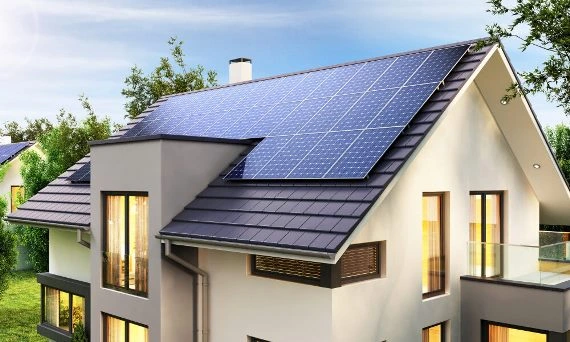
How Much Do Solar Panels Cost in Canberra?

If you’re a homeowner or business in Canberra thinking about going solar, one of the first questions you’ll ask is: how much do solar panels cost in Canberra? The good news is that solar technology is now more affordable and efficient than ever before—and with government incentives, you can significantly reduce your up-front investment. Below, our CEC-accredited team breaks down real-world pricing, the factors that drive costs up or down, and how to choose a system that delivers genuine value. What Determines the Cost of Solar Panels in Canberra? The price you see on a quote isn’t just the panels themselves. It combines: Cost Driver What It Covers How It Varies System size Total panel capacity (e.g., 6.6 kW or 30 kW) Larger arrays cost more but lower $/W Panel & inverter quality Tier-1 modules, high-efficiency cells, hybrid inverters Premium brands add 10–20 % Roof complexity Tilt, orientation, shading, switchboard upgrades Complex installs add labour hours Government incentives Small-scale Technology Certificates (STCs), ACT feed-in tariff Credits reduce up-front price Installer expertise Licenced, CEC-accredited workmanship, warranties Cheap labour = higher long-term risk When comparing quotes, make sure the inclusions are like-for-like—especially panel efficiency, warranty length, and after-sales support. Average Solar System Costs in Canberra (2025 Estimates) All figures include STC credits and GST but exclude optional battery storage: Popular System Size Ideal For Ballpark Price* 6.6 kW Solar System Small–medium homes (≈25 kWh/day) $5,500 – $8,000 10.5 kW Solar System Large families, EV charging $8,500 – $12,000 13.3 kW Solar System High-consumption homes, home offices $11,000 – $15,000 20 kW Solar System Small commercial, cafés, workshops $18,000 – $24,000 30 kW Solar System Medium businesses, offices $26,000 – $36,000 50 kW Solar System Warehouses, manufacturing $43,000 – $60,000 *Pricing based on Tier-1 panels, 10-year workmanship warranty, and single-phase or three-phase hybrid inverter. Roof upgrades, monitoring options, and rapid-shutdown devices may add to these figures. Note: Prices vary depending on installation complexity, component brands, and any optional upgrades like monitoring systems or battery storage. Residential vs. Commercial Costs Residential solar panels usually sit between 6.6 kW and 13.3 kW. The STC incentive is generous, so homeowners effectively pay 30–35 % less than the “sticker” price. Commercial solar panels start around 20 kW. Businesses claim the same STC benefit but also gain tax advantages through instant asset write-offs or accelerated depreciation. Tip: Electricity tariffs for businesses are often higher and peak during daylight hours, so payback times can be as low as three years for a well-sized commercial array. Hidden Savings: Beyond the Sticker Price Feed-in Tariffs – ACT retailers currently pay 7–12 ¢/kWh exported. Bill Protection – Lock in stable energy costs as grid prices rise. Property Value – Solar adds an estimated 3–4 % to resale value. Maintenance – Quality installations need little more than occasional cleaning, keeping lifetime costs low. Why Installer Choice Matters? Price means nothing if the system under-performs. Prime Solar Energy is widely reviewed as a best solar company Canberra residents can trust because we: Use only Tier-1 panels and CEC-listed inverters Employ fully licenced, in-house electricians—no subcontractors Provide a 10-year workmanship warranty and 25-year performance guarantee Offer free annual performance checks for the first three years That commitment protects your return on investment far better than a rock-bottom quote with minimal after-sales care. Is Solar Still Worth It in Canberra? Absolutely. Canberra has some of the best solar conditions in Australia, with an average of over 4.5 sun hours per day. This means faster return on investment and higher long-term savings. Here’s why going solar makes sense: Lower power bills: You can save hundreds—if not thousands—of dollars each year by generating your own electricity. Government rebates: These reduce up-front costs and make solar much more accessible. Feed-in tariffs: When your system generates more energy than you use, you can sell it back to the grid. Environmentally responsible: Reduce your carbon footprint and contribute to a greener Canberra. Also Read: What is the rebate for solar panels in Canberra? How Long Until I Break Even? Depending on your system size and energy usage, the average payback period is 3 to 5 years. Systems with higher self-consumption and efficient design can reduce this further. Are Solar Batteries Included in the Price? Not typically—but they can be added. A hybrid system with a battery will cost more upfront, but increases energy independence. If you’re interested in blackout protection or reducing your reliance on the grid even further, ask us about CEC-approved battery options during your consultation. How to Get the Best Deal? Match system size to usage. Oversizing is often cheaper per watt, but too much export lowers payback if you don’t add a battery. Compare component brands, not just kilowatts. Ask for spec sheets and efficiency ratings. Check installer credentials. Look for CEC accreditation and recent ACT projects. Ask about monitoring. Real-time data lets you catch issues quickly. Factor in batteries early. Even if you add storage later, choose a hybrid inverter now to avoid extra costs. Ready to Calculate Your Solar Panels Canberra Cost? A personalised proposal is only a phone call away. Prime Solar Energy’s experts will: Analyse 12 months of energy bills Model different system sizes (6.6 kW, 10.5 kW, 13.3 kW, etc.) Apply current STC values and any local rebates Provide an ROI forecast and payback period Book your free site assessment today and see why households and businesses alike rate us among the best solar installers in Canberra. What Makes Prime Solar Energy Different? We’re not just another solar company in Canberra. We offer: ✅ Tier 1 panels, inverters, and batteries✅ Clean Energy Council-accredited installers✅ 10-year workmanship warranty✅ Local customer support based in the ACT✅ Custom solutions for homes and businesses Our mission is simple: to provide high-quality, long-lasting solar systems that deliver real savings and real results—without cutting corners. Ready to Get an Accurate Quote? If you’re serious about solar, the next step is a free site assessment. We’ll evaluate your roof, review your power bills, and provide a no-obligation quote that includes: System recommendations (e.g., 6.6kW vs 10.5kW) Payback period and lifetime savings Current rebates and incentives Optional upgrades like monitoring or battery storage Final Thoughts Solar

What Is the Government Rebate for Solar Panels in Canberra?

What Is the Government Rebate for Solar Panels in Canberra?

ACT Home Energy Support Program Considering a solar upgrade but wondering about the upfront cost? Canberra residents are in luck: the ACT Government offers generous rebates and interest-free loans for rooftop solar systems. In this blog, we explain how much support is available, who qualifies, and how to apply—all designed to ensure solar works for every Canberra household. Why Canberra Supports Solar The ACT has ambitious climate goals: net–zero emissions by 2045 and 100% renewable electricity since 2020. To help residents transition, the government offers financial assistance like: Up to $2,500 solar rebate for concession holders Combined solar and household upgrade rebates totaling $5,000 Interest-free loans up to $10–15,000 Federal Small-Scale Technology Certificates (STCs) for solar systems These incentives are part of Canberra’s path to cleaner, greener energy. Home Energy Support Program (HESP) The cornerstone for solar rebates in the ACT is the Home Energy Support Program (HESP) Here’s how it helps: Up to $2,500 rebate for rooftop solar installation Another $2,500 rebate for home upgrades like insulation, heat pumps, or electric stovetops—totaling $5,000 Eligibility: pensioners, veterans, Health Care Card holders; embedded property value thresholds; completion of an ACT energy workshop Steps to Apply: Attend the free workshop (online or in person)—a program requirement Obtain quotes from accredited installers (e.g., Prime Solar Energy) Submit the application before installation Rebate paid within ~10 business days after job completion Sustainable Household Scheme (SHS) Non-concession homeowners can still benefit from solar through the Sustainable Household Scheme, part of Canberra’s electrification push: Up to $15,000 interest-free loan over 10 years for solar panels, solar batteries, EV infrastructure Can be combined with HESP rebate and federal STCs Eligibility requires property value below certain thresholds and workshop attendance How Much You Can Save: A Real-World Example Installing a mid-range 6.6kW system might cost $8,000 before incentives Receive ~$2,500 STC credit — net price $5,500 $2,500 HESP rebate taken at billing (pre-install) Final out-of-pocket: ~$3,000 Add interest-free loan for batteries? No problem—install now, pay later That’s how Canberra makes solar accessible. Getting Ready: Eligibility Checklist Before applying, ensure you meet the key criteria: Eligibility Requirement Details Concession Card Pensioner, DVA Gold, or Health Care Card Property Ownership Own & occupy the home in the ACT Property Value UV ≤ $750k (house/unit) or ≤ $300k (apartment) Workshop Completed Mandatory before any application Installer Approved Must be CEC‑accredited Apply Before Install Rebates must be approved before the work begins Application Process Overview Sign up for an ACT Government energy workshop Get quotes from reputable providers like Prime Solar Energy Submit your rebate application (HESP or SHS) with the installer’s input Install solar system after approval Claim rebate, typically processed within 10 business days Enjoy savings and long-term energy credits Beyond the Upfront Savings Feed-in tariffs: Earn 7–12¢/kWh for excess energy Lower operating costs: Solar reduces reliance on grid and stabilizes bills Carbon reduction: Supports ACT’s zero‑emissions goals Battery-ready: Install a hybrid inverter now and add storage later Why Trust Prime Solar Energy? We’re more than just installers—we guide you through every step. CEC‑Accredited installers In-house team—no subcontractors Full experience with HESP & SHS applications Transparent quotes with system options (e.g. 6.6kW or 10.5kW) Long-term warranties and ongoing support We make clean energy work for real homes in real Canberra suburbs—no guesswork, only real savings. Final Thoughts Canberra’s solar rebate programs reduce upfront costs by 50% (up to $2,500) Combined with STCs and interest-free loans, solar is more affordable than ever Properly sized systems pay for themselves in 3–5 years, then yield free electricity Prime Solar Energy helps you unlock solar savings completely—no hassle, just reliable power FAQs: Canberra Solar Rebates Q1: Can I apply the rebate retroactively?No—apply before installation begins; workshop and quotes must be submitted early. Q2: Do renters qualify?No—must be an owner-occupier with a valid concession card for HESP, or owner under SHS. Q3: Can I get rebates on battery storage?Yes—HESP covers hot water, heat pumps, and insulation. SHS loans include batteries. Q4: What if my property’s UV value has changed?Check your current UV via ACT Revenue before applying—must meet program thresholds Take the Next Step Today Prime Solar Energy simplifies your solar journey in Canberra: We’ll check rebate eligibility We’ll help book your energy workshop We’ll provide a clear, no-obligation solar estimate We implement and claim your rebates for you Thinking about going solar in Canberra? The ACT Government is making it easier than ever with rebates and interest-free loans that significantly reduce the upfront cost of installing solar panels. If you’re eligible, you could receive thousands in support through programs aimed at helping households cut energy bills and reduce emissions. With solar panel prices becoming more affordable, it’s a smart time to invest in renewable energy. Choosing a trusted local installer ensures you get expert guidance on both the system and the available government support. For Canberra homeowners looking for quality, savings, and long-term benefits, solar is a powerful solution. Reach out now for a free site assessment and see how much solar can save you—not in theory, but in real dollars.

Buying Solar Panels in Canberra: A Complete 2025 Guide for Homeowners

Buying Solar Panels in Canberra: A Complete 2025 Guide for Homeowners

How do you buy the best solar panels for your home in Canberra? Are you thinking of buying solar panels in Canberra? You’re not alone. With rising electricity prices, generous rebates, and strong sunshine, many Canberra homeowners are asking, “Is now the right time to go solar?” This guide from Prime Solar Energy will walk you through everything you need to make an informed decision—from system selection and costs to rebates, installation, and long-term value. Why Canberra Is Prime Territory for Solar? Canberra enjoys reliable solar exposure year-round, with over 4.5 sun hours per day on average. That means your rooftop system can generate more energy, reduce bills, and accelerate payback faster than in some other regions. Plus, the ACT Government supports household conversions through rebates and interest-free loans—making solar not just a sustainable choice but a smart financial one. Know Your Options: System Sizes & Use Cases Choosing the correct system size is your first step when you buy solar panels in Canberra. Here’s a quick guide: 6.6 kW system – Perfect for small to medium households with average daily usage and no major power-hungry appliances. 10.5 kW system – Suitable for larger families, EV integration, or homes running appliances. 13.3 kW system – Ideal for high-energy households, offering excellent savings and flexibility for future upgrades like batteries. Your energy consumption patterns, roof size, daytime occupancy, and future plans (EV or battery) should all inform the final selection. Breaking Down Solar Costs and Savings The upfront solar panels Canberra cost can feel daunting—but it’s essential to look at long-term savings: System Size Estimated Cost (After STCs) Estimated Annual Savings 6.6 kW $5,500 – $7,500 $900–$1,200 10.5 kW $8,500 – $11,000 $1,200–$1,800 13.3 kW $10,000 – $14,500 $1,600–$2,400 These estimates assume a federal STC rebate and do not include ACT Government rebates. At current energy prices, most households recover the system cost within 3–5 years, then enjoy years of essentially free solar electricity. ACT Government Rebates & Loans Canberra homeowners are eligible for: HESP $2,500 rebate – For some concession card holders (e.g., pensioners), when attending a free energy workshop. Sustainable Household Scheme – Zero-interest loans up to $15,000 for solar panels and solar batteries, available to all qualifying ACT homeowners. Federal STCs rebate – Automatically reduces the upfront cost by approximately 30%. Unlocking these incentives requires accredited installers and, in some cases, attending a workshop before the install begins. At Prime Solar Energy, we’re fully versed in these requirements and handle every step to maximise your savings. Choosing the Right Solar Panels & Inverters When buying solar panels in Canberra, quality matters. Here’s what to look for: Panels from trusted brands like Trina, Jinko, JA Solar, and AIKO—not only high-performing but backed by long warranties. Hybrid or string inverters from trusted brands like Sungrow, GoodWe, or Fronius—allowing for future battery upgrades. Avoid low-cost, no-name brands with unclear warranty support. Prime Solar Energy carefully selects components with long-term performance and reliability in mind. Installation Quality & Local Expertise The best system can underperform if installed improperly. That’s why: Choose Clean Energy Council-accredited installers with local Canberra experience. Ensure they value roof health and safety practices during installation. Ask about post-install support, system monitoring, and maintenance schedules. Look for lengthy workmanship warranties—Prime Solar Energy offers at least 10 years, backed by service guarantees. Streamlined Application & Install Process Here’s what you’ll experience when you trust Prime Solar Energy: Free Consultation & Usage Analysis – We evaluate energy consumption and roof layout. Transparent Quoting – We present tiered system proposals, track rebate eligibility, and offer honest cost comparisons. Pre-Approval for Rebates – We submit applications, including workshop attendance and documentation. Professional Installation Day – Completed by our own CEC-accredited team. Rebate Claim Filed – We manage paperwork and check feed-in tariff setups. Follow-Up & Monitoring – We conduct complimentary system reviews over the first year to ensure performance. No surprises, no hassle—just a smooth, well-supported path to solar. Long-Term Energy Savings ❇️ With a quality solar system: Your morning and afternoon energy bills shrink dramatically. Growth in electricity prices means your savings increase over time. Adding a battery is seamless later—thanks to hybrid system readiness. Maintenance beyond occasional washing is minimal, keeping your operation virtually set-and-forget. FAQs Q: How soon will I break even?A: Most homeowners see payback in 3–5 years, depending on system size and energy usage. Q: Is my roof suitable?A: We inspect orientation, tilt, shading, and structure to ensure peak solar output. Q: Can I claim rebates on multiple systems?A: Only one HESP rebate per home, but you can access SHS loans later if you wish to add batteries. Q: What happens during cloudy winter days?A: Even on overcast days, panels produce useful electricity—just less than peak sun days. Buying Tips Track Your Usage – Know how many kWh you use daily. Check Accreditation – Ensure your installer is CEC-certified. Use Canberra-specific Expertise – Local installers understand feed-in tariffs and climate. Think Long-Term – Factor in warranties, efficiency, and inverter scalability. Apply for Rebates Early – Pre-approval from ACT Government avoids delays. Ready to Buy Solar Panels in Canberra? Buying solar is a major step—but with Prime Solar Energy, you’re backed by local experience, tailored advice, and complete rebate support. Contact us today for a free site assessment and quote customized to your energy goals. Let’s unlock your solar potential and power your home with confidence. Also Read: Top 5 Solar Panel Brands in Canberra Solar Feed‑In Tariffs in Canberra: All you need to know

Best Solar Battery Storage Options for Canberra Homes in 2025

Best Solar Battery Storage Options for Canberra Homes in 2025

Solar Battery Guide For Homeowners in Canberra As solar energy becomes mainstream in Canberra, homeowners are increasingly asking not just how to capture sunlight but how to store it effectively. Battery storage systems empower you to use solar power after dark, ride through power outages, and maximize savings — especially as electricity prices continue to climb. At Prime Solar Energy, we’ve helped countless Canberra households navigate battery options to find reliable, cost-effective solutions. Here’s a comprehensive guide to the best solar battery storage options tailored for Canberra homes in 2025. Why Battery Storage Matters in Canberra? Canberra ranks high for solar potential, averaging over 4.5 hours of peak sun daily. Without storage, most of that energy is exported at low feed-in tariffs—typically 7–12 ¢/kWh. Battery storage changes the game by allowing you to: Use solar power through the evening and early morning Ride out short grid outages without interruption Maximise daytime consumption instead of exporting Reduce energy bills without installing a larger system Modern batteries also integrate smoothly with home automation systems, electric vehicle chargers, and home appliances, helping households reach self-sufficiency. With interest-free loans up to $15,000 available through the ACT Government Sustainable Household Scheme, battery storage is more accessible than ever. Top Contracts for Canberra: Coverage & Comparison Here’s a snapshot of Canberra’s most popular battery options, comparing their strengths and how they align with local needs: Battery Brand & Model Capacity (kWh) Key Benefits Best For Typical Installed Cost* Tesla Powerwall 3 13.5 High usability, scalable, smart load management Year-round backup, EV owners $14,000–$17,000 Sungrow SBR Series 10–12 PCU efficiency, versatile sizing Cost-efficiency with smart energy $9,000–$12,000 GoodWe HV Series 6.5–10 AC/DC hybrid, strong local support Retrofit with existing systems $8,500–$11,500 Sigenergy F-Series 10–15 Modular grow‑as‑you‑go design Future-proofing or staged adoption $10,000–$13,000 Neovolt G-Box 10–12 Aussie warranty, outdoor rated Durable, Canberra-specific climates $8,000–$11,000 *Prices include installation and ACT loan support eligibility. Choosing the Right Battery for Your Needs 🏡 Homes with Regular Power Outages Tesla Powerwall 3 is ideal—offering robust backup and 24/7 power availability with dynamic routing during storms or grid failures. 💡 Families Focused on Savings Sungrow SBR models offer excellent value, coupled with powerful system monitoring and time-of-use optimisation to lower your monthly bills. 🔌 Homes with Existing Solar Consider retrofittable hybrids like GoodWe HV, which seamlessly join your current solar system without replacing inverters. 🧩 Planning for Growth For households preparing to expand to EV charging or bigger appliance loads, Sigenergy F-Series is future-proofed, letting you add batteries later. 🌦 Outdoor Durability Needed Dealing with Canberra’s cold winters? Choose weather-proof systems like Neovolt, built to endure outdoor conditions year-round. How to Maximise Battery Benefits in Canberra Match capacity to night-time usage – Review your evening kWh use and size your battery to cover essential loads. Leverage ACT’s interest-free loan – Spread out the cost and enjoy bill savings that often exceed repayments. Maximise daylight consumption – Smart apps can shift appliance use to daylight hours and reduce peak demand. Combine with solar system size – Pairing a 6.6–10 kW solar array with a 10–13 kWh battery often yields excellent self-consumption rates (~70–80%). Plan ahead for the future – Choose hybrid systems if you plan future expansions or backup upgrades; they save installation costs later. Prime Solar Energy’s Canberra Advantage Choosing Prime Solar Energy means working with a locally based, Clean Energy Council‑accredited team. We help solve key pain points: System Compatibility – Ensuring battery choice works with your solar panels and inverter Rebate Eligibility – Guiding you through the ACT’s Sustainable Household Scheme Seamless Installation – In‑house technicians manage all site work for safety and quality Long-Term Support – Monitoring, maintenance checks, and warranty navigation FAQs Q: Which battery lasts longest?A: Most batteries come with 10-year or 6,000 cycle warranties and maintain 60–80 % capacity after 10 years. Tesla, Sungrow, and Sigenergy offer robust warranties. Q: Can I add a battery later?A: Yes, hybrid-capable systems like Sungrow or GoodWe allow batteries to be added later—saving future costs. Q: Will a battery work during a blackout?A: If configured with backup-ready equipment, yes—systems like Tesla Powerwall can island your home during outages. Q: How much can I save with a battery?A: Savings depend on your usage, solar output, and time-of-use rates, but Canberra homeowners often see 30–60% reductions on grid electricity costs. Q: Do batteries need maintenance?A: Generally no—most battery systems are maintenance-free. Prime Solar Energy provides annual system checks to ensure everything is working correctly. Buying Tips for Canberra Homes Assess your average evening kWh use to pick the right capacity. Choose locally supported brands for faster service and warranty repair. Opt for hybrid systems if future expansion or full backup is anticipated. Install a monitoring app to keep an eye on performance and detect issues early. Check for stacked rebates—combine ACT interest-free loans with federal STCs for best financial outcome. Final Thoughts Solar battery systems aren’t just a trend—they’re a move toward powerhouse autonomy for Canberra homes. Whether you choose Tesla, Sungrow, or one of the other reliable brands, your battery pays for itself faster when combined with a smart solar system and ACT rebates. At Prime Solar Energy, we’re dedicated to making energy independence affordable, simple, and stress-free. Schedule a free assessment with us to find the best battery solution tailored to your home and lifestyle. Also Read: Solar Panels in Canberra – Buying Guide 2025 Top 5 Solar Panel Brands in Canberra

Solar Feed‑In Tariffs in Canberra: What You’ll Be Paid in 2025

Solar Feed‑In Tariffs in Canberra: What You’ll Be Paid in 2025

Compare the best Solar Feed-in Tariffs in Canberra As a Canberra homeowner, your rooftop solar system isn’t just a way to power your home—it’s also an opportunity to earn credits when your panels export excess electricity to the grid. Known as a feed‑in tariff (FiT), this incentive can significantly boost your solar return. Here’s an expert, reader-focused breakdown of what Canberra residents are being paid in 2025, and how to make those credits work for you—as seen through the eyes of a solar installer with ACT roots. What Is a Feed‑In Tariff (FiT)? A feed‑in tariff is a credit or payment you receive from your electricity retailer when your solar panels export surplus energy to the grid. This isn’t the same as rebates or upfront incentives—it’s a recurring income that appears as a bill credit, reducing your electricity costs. Canberra doesn’t have government-mandated FiTs; they’re set voluntarily by retailers. Top Solar Feed-In Tariffs in Canberra (2025) Here’s a comprehensive comparison of the best solar feed‑in tariff plans available in Canberra in 2025: Retailer & Plan Rate (¢/kWh) Export Cap Notes Origin – Solar Boost Plus 17 ¢/kWh first ~14 kWh/day, then base 9–10 ¢/kWh Capped (~14 kWh/day) Highest rate, best for midsize systems ActewAGL – Solar Advantage TOU 12 ¢/kWh first 8 kWh/day, then 7 ¢ 8 kWh/day on premium rate Great for consistent exporters EnergyAustralia – Solar Max 10 ¢/kWh first 12 kWh/day, then 5 ¢ 12 kWh/day on premium rate Good mid-tier option Energy Locals – Online Member Flat 7 ¢/kWh (no tiers) No cap Simple plan with transparency CovaU Energy Flat 5.5 ¢/kWh No cap Lower payout, but steady credit Red Energy & EnergyAustralia Flat 5 ¢/kWh No cap Basic tariffs, check fees What the Numbers Mean for You Choose based on your export profile. High-tier rates (12–17 ¢) apply to a capped first portion (8–14 kWh/day). Check daily export volumes. Average Canberra home exports ~10–12 kWh/day. Plans like Origin’s may cover this fully. Balance supply charges. High FiTs often come with higher daily supply costs—so total savings matter. Reddit users report balancing usage and switching plans to optimise benefit Recommendations for Canberra Homes Most Exporting Homes (≤14 kWh/day): Origin – Solar Boost Plus at 17 ¢ is exceptional, with high-tier coverage for common household exports. Consistent Medium Exporters (8–12 kWh/day): ActewAGL Solar Advantage TOU offers a strong 12 ¢ for daily tier with easy upgrades to evening-controlled rates. Simple Flat-Rate Benefit: Energy Locals at 7 ¢/kWh works well if you prefer stable, straightforward credits without tiers. Budget Conscious & Capped Systems: CovaU or Red Energy provide modest but consistent credits—check if combined fees make economics viable. Canberra FiT Rates in 2025: What You Can Expect 2025 brings a range of FiTs depending on your energy provider and plan. Typical offers include: Origin Energy: 5–10 ¢/kWh, with premium rebates on Solar Boost or Go Solar plans EnergyAustralia: 5–10 ¢/kWh for the first 10–12 kWh/day, then a base 5 ¢/kWh ActewAGL: 6–6.5 ¢/kWh across plans Energy Locals: 5 ¢/kWh for the first 5 kWh/day, dropping to 2 ¢/kWh after These figures vary but generally fall within 5–10 ¢/kWh. Premium plans may offer the upper range for limited export volumes. Why Rates Are Falling—and Why Solar Still Wins FiTs have dropped significantly from the high rates seen a decade ago (45 ¢/kWh during 2010–2012). Today’s lower rates reflect higher solar penetration and lower wholesale prices. Still, solar remains highly valuable—especially when you shift your household usage to daytime hours or combine solar with battery storage. Choosing the Best Feed‑In Tariff Plan Finding the right FiT isn’t just about the cents per kWh—you also need to weigh: Retailer usage charges: Higher FiTs may accompany steeper daily supply costs Export limits: Premium rates often cap daily export; check how this aligns with your surplus Time-of-use structures: Rates may vary by time of day, influencing export credits Pro Tip: Use tools like Canstar Blue or WATTever to compare local plans using your estimated solar output. Maximise Your FiT Value in Canberra Use solar power when it’s generated—run appliances during the day Avoid peak grid rates by storing power in a battery Upgrade to a smart meter or energy management system Shop around—switch retailers if their FiT drops below your current one Is It Worth Switching Retailers? Absolutely. Even a few cents difference can lead to $100–$200 extra savings annually. For households exporting 10 kWh/day, a FiT increase from 5 ¢ to 10 ¢ adds around $180 more per year. What About “Sun-Taxes” or Export Penalties? Some regions are beginning to impose export penalties—extra charges for daytime export during peak grid times. Canberra hasn’t yet introduced these, but it’s something to watch. A solar battery can help you avoid potential penalties while maximising self-consumption. Tips to Maximise Your Feed-In Credits Use your solar power during daylight to reduce grid draw, boosting savings even with lower FiTs. Consider battery storage to avoid FiT caps and reduce exposure to variable tariffs. Shop around annually, since FiTs and supply charges change—staying flexible can save hundreds. Review your meter type—smart meters often enable better FiT rates than basic digital meters. What Prime Solar Energy Recommends At Prime Solar Energy, we help Canberra homeowners get the most from their solar systems: We review your energy usage to estimate export volumes We compare retailer FiT plans and identify the most financially effective one We help design systems that maximise self-consumption We can bundle solar and battery solutions to lock in higher FiT flexibility That extra analysis and tailoring is part of what makes us trusted as best solar installers in Canberra. FAQs: Solar Feed‑In Tariffs in Canberra Q: What’s a good FiT rate for Canberra in 2025?A: Aim for between 8–10 ¢/kWh for exported solar, though you may get 5 ¢ depending on the plan. Q: Can I get FiTs on large systems (e.g., 10 kW+)?A: Yes, but premium rates might cap at 8–12 kWh/day. Exports beyond that may receive the base rate. Q: Are FiTs guaranteed if I switch plans?A: No—FiTs are offered at the discretion of retailers. Always confirm current rates before moving. Q: Do batteries affect FiTs?A: Batteries can reduce exports—thus reducing FiT credits—but boost self-consumption which is often more rewarding. Q: Should I worry about an export penalty in Canberra?A: Not currently, but rooftop solar export regulations are evolving. Batteries provide a safe buffer if export limits are introduced. Final Word: Is Solar Still Worth It?

Top 5 Solar Panel Brands in Canberra and NSW (Expert 2025 Guide)

Top 5 Solar Panel Brands in Canberra and NSW (Expert 2025 Guide)

Best Solar Panels in Canberra and NSW Choosing the right solar panels for a Canberra and NSW  home isn’t just a brand decision—it’s a long-term investment in reliability, energy savings, and roof performance for the next 25+ years. As a local, CEC-accredited installer, Prime Solar Energy has designed and installed thousands of systems across the ACT. Below, we share an expert, people-first review of five leading brands we trust on Canberra roofs—AIKO Solar, Jinko Solar, JA Solar, Trina Solar, and TW Solar (Tongwei)—plus the key factors you should weigh before buying. How We Evaluated the Brands We focus on criteria that matter in the ACT: Real-world performance in Canberra’s climate: cold, clear winters; hot summers; occasional hail; strong winds. Panel technology & efficiency: N-type (TOPCon/IBC/ABC) vs P-type PERC; temperature coefficient; degradation rates. Build quality & durability: glass, frame strength, junction box sealing, salt-mist/ammonia certifications. Warranty & local support: product (manufacturing) and performance (output) warranties, AU service presence. Aesthetics & rooftop fit: all-black options, dimensions, and shading tolerance. Value: price-to-performance and long-term cost of ownership. Quick rule: Don’t buy on efficiency alone. Pair brand quality with smart system design, correct inverter selection, and a trusted local installer for the biggest gains. Brand Profiles: Strengths, Trade-offs & Best Fits 1) AIKO Solar Why Canberra homeowners pick it: AIKO’s premium panels use advanced N-type ABC/IBC-style cell tech, known for high efficiency, excellent low-light response, and very low degradation. Their all-black modules are popular where street appeal matters.Strengths: Class-leading efficiency; strong hot-weather performance thanks to favourable temperature coefficients. Robust 25-year product and up to 30-year performance warranties on select lines. Great option for limited roof space—more watts per square metre.Watch-outs: Premium pricing; ensure you’re comparing like-for-like warranties and specs.Best for: Design-conscious homes, smaller roofs, or owners chasing maximum lifetime yields. 2) Jinko Solar Why Canberra homeowners pick it: One of the most widely installed brands in Australia, Jinko offers dependable performance and good pricing across N-type TOPCon and P-type PERC ranges.Strengths: Strong local presence, bankable Tier-1 status, and consistent quality control. Broad range to suit budget through premium segments. Competitive 25-year product warranties on many N-type models.Watch-outs: Check exact model lines—specs and warranties vary.Best for: Families seeking a value-balanced panel with proven reliability and solid support. 3) JA Solar Why Canberra homeowners pick it: JA Solar blends value and output with widely available N-type TOPCon models that are reliable and efficient in diverse conditions.Strengths: Attractive price-to-performance, good availability, and reputable manufacturing. Increasingly competitive product warranties on N-type lines. Good option for medium to large roofs targeting strong ROI.Watch-outs: Verify warranty terms and local service pathways for the specific series.Best for: Homeowners focused on strong returns without going ultra-premium. 4) Trina Solar Why Canberra homeowners pick it: A long-standing global leader with well-known Vertex S residential series, Trina hits a sweet spot of efficiency, durability, and value.Strengths: Excellent performance history on Aussie roofs; robust frames suit ACT winds. Competitive N-type options; tidy aesthetics (black frame/backsheet variants). Widely supported by Aussie distributors and installers.Watch-outs: As with others, warranty length and terms differ by model—confirm on quote.Best for: Households wanting a proven all-rounder with easy serviceability. 5) TW Solar (Tongwei) Why Canberra homeowners pick it: Backed by one of the world’s largest solar cell manufacturers, TW Solar brings vertically integrated production and competitive N-type TOPCon modules to the residential market.Strengths: Strong efficiency at compelling price points; emerging favourite for budget-minded buyers. Vertically integrated supply can improve consistency and availability.Watch-outs: Newer in the AU rooftop space than the “big three”; check local warranty and support channels.Best for: Value seekers wanting modern cell tech without premium pricing. Canberra-Specific Considerations Before You Buy Temperature Coefficient: Hot summers can reduce output. N-type modules generally have better temperature coefficients, sustaining production during heat waves. Degradation & Warranty: Look for low first-year loss and ≤0.4%/year thereafter on N-type modules. Understand the difference between product (defects) and performance (output) warranties. Wind & Hail Resilience: Ask for the module’s mechanical load ratings and hail test credentials. Quality racking and correct fixing patterns matter as much as panel strength. Shading & Layout: Chimneys, trees, and winter sun angles in Canberra can cause partial shading. Consider module-level power electronics (optimisers/microinverters) if shade is unavoidable. Aesthetics & Roof Space: If space is tight, prioritise higher-efficiency N-type panels. For street-visible arrays, all-black can boost aesthetics (and property appeal). Local Support & Installer Quality: A great brand can underperform with a poor install. Choose CEC-accredited installers who provide detailed designs, compliance docs, and after-sales support. Future-Proofing: If you plan to add a battery or EV, consider a hybrid inverter now, leave roof space for expansion, and size strings for later upgrades. ACT Programs & Finance: Take advantage of interest-free loans (e.g., Sustainable Household Scheme) and federal STCs to lower upfront cost. Quick Comparison Snapshot (High Level) Brand Tech Focus Typical Positioning Standout For AIKO N-type ABC/IBC-style Premium Top efficiency, sleek all-black Jinko N-type TOPCon / PERC Value to mid-premium Broad range, strong AU presence JA Solar N-type TOPCon Value High output at fair pricing Trina N-type TOPCon Mid-premium all-rounder Proven durability, Vertex S range TW Solar N-type TOPCon Value Vertically integrated, compelling price Always confirm the exact model’s datasheet and warranty when comparing quotes. What Really Drives Results (Beyond the Logo) A tailored design aligned to your load profile beats buying “the most efficient panel.” Correct stringing, racking, and cabling prevent long-term losses. Monitoring (via inverter or app) helps you detect issues and schedule daytime usage. After-sales support ensures warranty claims are stress-free if you ever need them. At Prime Solar Energy, we pair these brands with site-specific designs, CEC-accredited installation, and long-term support—so your panels work as promised, year after year. FAQs: Solar Panel Brands in Canberra Q1: Which brand is “best” for Canberra?There isn’t a single “best” for everyone. For premium efficiency and aesthetics, AIKO stands out; for proven value and strong local support, Trina, Jinko, and JA Solar are excellent; for modern N-type tech at sharp pricing, TW Solar is compelling. The right choice depends on your roof, usage, and budget. Q2: Do I need the highest-efficiency panel?Not always. If roof space is limited, higher efficiency helps. Otherwise, a well-designed system using mid-to-high efficiency panels can deliver equal or better savings. Q3: Are all-black panels hotter and less efficient?All-black modules can run slightly warmer, but with good ventilation and modern N-type cells, the practical difference is small. Choose them for aesthetics if you like the look. Q4: How long do warranties last?Most quality brands offer 25-year performance and 20–25-year product warranties on many N-type lines. Confirm the exact terms for the model quoted. Q5: Will these panels handle hail and Canberra’s winds?Yes—when paired with quality