
As solar energy adoption continues to surge across Australia, choosing the right home battery storage system has never been more important. GoodWe Battery vs Tesla Powerwall is one of the most hotly debated comparisons among Australian homeowners in 2026. Both systems promise reliable backup power, seamless solar integration, and long-term energy savings but they differ significantly in price, capacity, scalability, and compatibility. This guide breaks down everything you need to know to make the right decision for your home and energy goals.
Overview: GoodWe Battery and Tesla Powerwall at a Glance
What Is the GoodWe LYNX Home Battery?
GoodWe is a globally recognised solar inverter and battery manufacturer headquartered in Suzhou, China, with a strong and growing presence in the Australian market. The GoodWe LYNX Home series particularly the LYNX Home U and LYNX Home F product lines are modular lithium iron phosphate (LiFePO4) battery storage systems designed to pair with both GoodWe and third-party solar inverters. The modular architecture means homeowners can start with a smaller capacity and expand over time as their energy needs grow, making it an exceptionally flexible and future-proof choice.
GoodWe batteries are available through a wide network of Clean Energy Council (CEC)-accredited installers across Australia, and they are listed on the Clean Energy Regulator’s approved battery product list. The LYNX range supports single-phase and three-phase installations and is compatible with GoodWe’s EH, ET, and ES series hybrid inverters as well as a growing number of third-party inverters.
What Is the Tesla Powerwall 3?
The Tesla Powerwall 3, launched in 2024, represents Tesla’s third generation of its iconic home battery product. Unlike the GoodWe system, the Powerwall 3 is an all-in-one unit that integrates both the battery storage and a solar inverter into a single, compact enclosure. As of 2026, Tesla Powerwall 3 units supplied to Australia use lithium iron phosphate (LFP) chemistry, having transitioned away from the nickel manganese cobalt (NMC) cells used in earlier Powerwall generations. This shift to LFP improves thermal safety, longevity, and cost-effectiveness making it an even more compelling choice for Australian conditions. The Powerwall 3 is designed to be a premium, plug-and-play home energy solution with a strong focus on user experience, smart energy management, and whole-home backup capability.
In Australia, the Tesla Powerwall 3 is available exclusively through Tesla’s Certified Installers network. It is listed on the CEC’s approved product list and supports both single-phase and three-phase electrical systems. The Powerwall 3 is also compatible with Tesla’s Virtual Power Plant (VPP) programme, which allows homeowners to earn credits by exporting stored energy back to the grid during peak demand periods.
For more information about approved battery products in Australia, visit the Clean Energy Council’s Battery Storage Portal.
GoodWe Battery vs Tesla Powerwall: Full Comparison Table
The table below summarises the key technical and commercial differences between the two systems to help you evaluate them side by side:
| Feature | GoodWe LYNX Home | Tesla Powerwall 3 |
| Usable Capacity | 5 kWh – 100 kWh+ | 13.5 kWh |
| Peak Power Output | Up to 10 kW+ | 11.5 kW |
| Round-Trip Efficiency | Up to 97% | Up to 97.5% |
| Warranty | 10 years | 10 years |
| Approx. AUD Price | $5,000 – $8,500 (5 kWh) | $14,000 – $16,500 |
| Scalability | Highly scalable (modular) | Limited (1–4 units) |
| Compatible Inverters | GoodWe & others (multi-brand) | Tesla only (built-in) |
| Battery Chemistry | LiFePO4 (LFP) | LiFePO4 (LFP) |
| Dimensions (approx.) | Compact wall-mount modules | 710mm x 755mm x 147mm |
| Backup Power | Yes (with GoodWe inverter) | Yes (whole home capable) |
| Smart App Control | SolarGo App | Tesla App |
| VPP Ready | Yes (AEMO compliant) | Yes (Tesla VPP Australia) |
| Country of Origin | China | USA |
Sources: GoodWe product datasheets (goodwe.com), Tesla Powerwall 3 specifications (tesla.com/en_AU/powerwall), Clean Energy Council approved products list.
Performance and Technical Specifications Compared
Battery Chemistry and Safety
Both the GoodWe LYNX Home and the Tesla Powerwall 3 (2026 Australian models) now use Lithium Iron Phosphate (LiFePO4 or LFP) chemistry, which is widely regarded as the safest lithium battery technology available for residential use. LFP cells are thermally stable, non-toxic, and significantly less prone to thermal runaway the dangerous chain reaction that can cause lithium batteries to catch fire. This makes both battery systems excellent choices for indoor installations, garages, and hot climate environments common across Australia.
Tesla’s transition to LFP chemistry for the Powerwall 3 in 2026 (moving away from the NMC chemistry used in earlier Powerwall generations) represents a significant improvement in safety, cost-effectiveness, and battery longevity. LFP batteries typically offer longer cycle life and better performance in high-temperature environments, which is particularly relevant for Australian conditions where ambient temperatures regularly exceed 35-40°C in summer. Both systems incorporate sophisticated battery management systems (BMS) to ensure safe operation and optimal performance over their lifetime.
Learn more about battery chemistry safety standards from the Australian/New Zealand Standard AS/NZS 5139, which governs battery installations for solar energy systems.
Capacity and Scalability
The GoodWe LYNX Home series offers an enormous range of usable storage capacities, starting from 5 kWh per module and scaling all the way to 100 kWh or beyond through modular stacking. This makes GoodWe an outstanding option for large households, small businesses, or any property that generates and consumes significant amounts of solar energy. Homeowners can start with a single 5 kWh module and add more as their budget or energy demands grow a significant advantage in terms of financial planning.
The Tesla Powerwall 3 offers a fixed 13.5 kWh of usable storage per unit. While up to four units can be stacked (providing up to 54 kWh), each additional Powerwall represents a substantial upfront investment. For many Australian households that have a single-phase connection and moderate daily energy consumption of 20–30 kWh, a single Powerwall 3 may be sufficient, but larger families or those with electric vehicles (EVs), pool pumps, and air conditioning will often find scalability to be a deciding factor.
Power Output and Backup Capability
The Tesla Powerwall 3 delivers an impressive 11.5 kW of continuous power output, making it capable of running almost any standard Australian home entirely on battery power during a grid outage. Its whole-home backup capability is one of its most compelling selling points, particularly for homeowners in bushfire-prone or cyclone-affected regions where extended grid outages are a real risk.
GoodWe’s power output varies by the inverter model paired with the battery, but GoodWe hybrid inverters such as the ET and ES series can deliver up to 10 kW or more of continuous output. While this is slightly below the Powerwall 3’s peak output, it is more than sufficient for most residential applications. GoodWe also supports Emergency Power Supply (EPS) mode, which can provide backup power within milliseconds of a grid outage.
Round-Trip Efficiency
Both systems perform exceptionally well in terms of round-trip efficiency the percentage of energy stored in the battery that can actually be used. GoodWe LYNX Home batteries achieve up to 97% round-trip efficiency, while the Tesla Powerwall 3 achieves up to 97.5%. In practical terms, this difference is negligible and will have minimal impact on your electricity bills or solar self-consumption over time.
Pricing in Australia: GoodWe vs Tesla Powerwall
Cost is often the most decisive factor for Australian homeowners evaluating home battery storage. There is a significant price difference between GoodWe and Tesla Powerwall systems, particularly at lower capacities. The table below provides indicative pricing based on 2026 market data from leading Australian solar installers:
| Battery System | Capacity | Approx. Supply Only (AUD) | Installed Estimate (AUD) |
| GoodWe LYNX Home U 5.0 | 5 kWh | $3,200 – $4,500 | $5,000 – $7,000 |
| GoodWe LYNX Home U 10.0 | 10 kWh | $6,500 – $8,000 | $8,500 – $11,000 |
| GoodWe LYNX Home U 20.0 | 20 kWh | $11,000 – $13,000 | $14,000 – $18,000 |
| Tesla Powerwall 3 | 13.5 kWh | $11,000 – $13,000 | $14,000 – $17,000 |
| Tesla Powerwall 3 x2 | 27 kWh | $22,000 – $26,000 | $26,000 – $32,000 |
Note: Prices are indicative and include GST. Installation costs vary by state, home configuration, and installer. Both GoodWe LYNX Home and Tesla Powerwall 3 are CEC-listed and eligible for the federal Small-scale Technology Certificates (STC) rebate, which provides approximately $300–$340 per kWh of battery capacity, reducing the net cost by $1,500–$4,500+ depending on system size. Some states also offer additional VPP participation incentives for example, NSW provides VPP rebates of approximately $550–$1,500 for eligible households. Always check current federal and state incentive eligibility with a CEC-accredited installer before purchasing.
To check your eligibility for Australian government battery rebates and incentives, visit Energy.gov.au – Household Battery Storage.
Value for Money
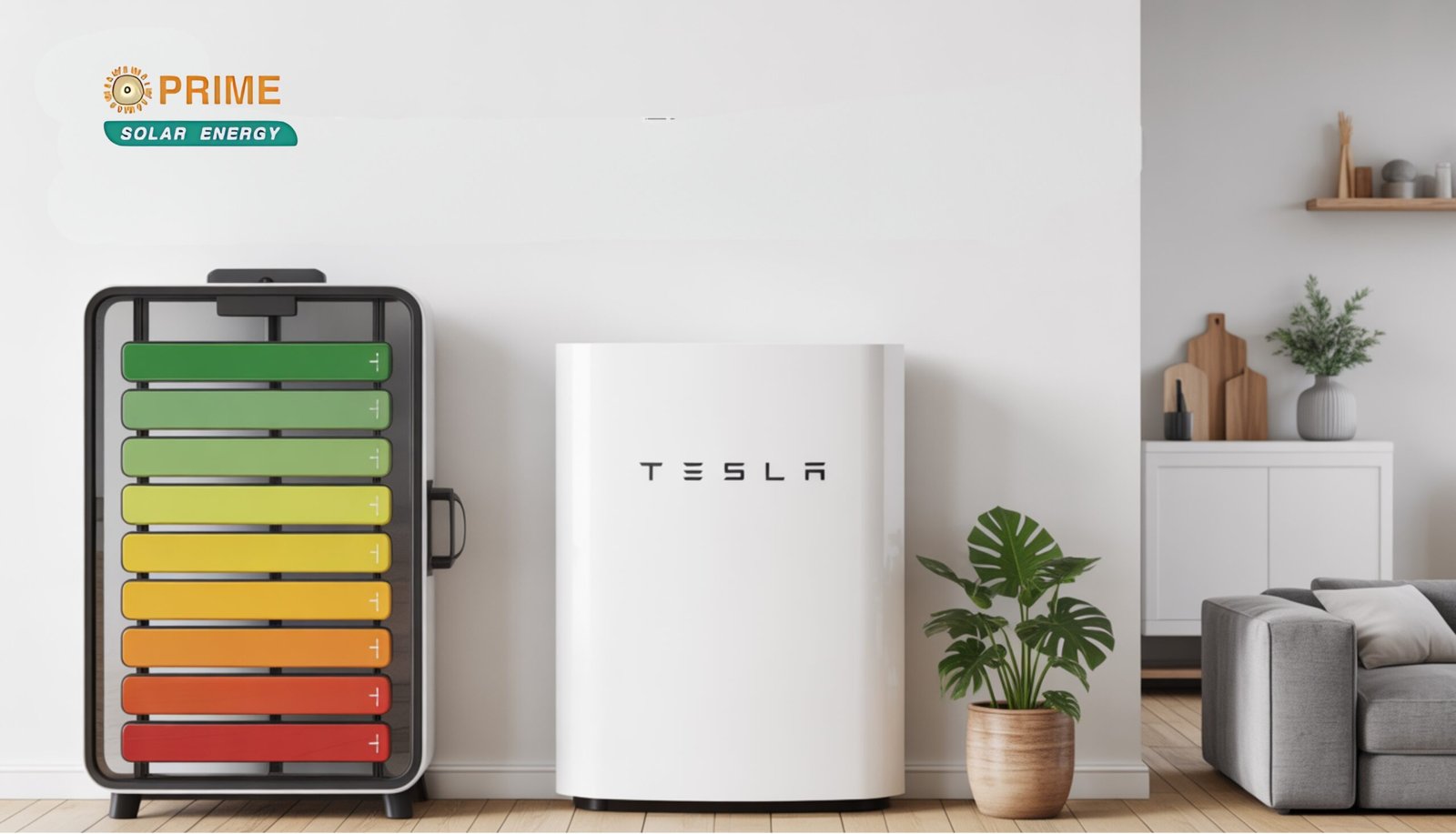
On a cost-per-kWh basis, GoodWe batteries offer considerably better value for money, especially at the 5 kWh and 10 kWh entry points. For budget-conscious households or those who have already invested in a quality solar inverter, the GoodWe LYNX Home series provides an affordable pathway into battery storage without compromising on quality or safety.
The Tesla Powerwall 3, while more expensive, bundles the solar inverter functionality into the unit meaning you do not need to purchase a separate inverter if you are setting up a new solar-plus-storage system from scratch. This can partially offset the higher sticker price when viewed as a total system cost. However, for homeowners who already have an existing solar system and simply want to add battery storage, the GoodWe represents a significantly more economical choice.
Installation, Compatibility, and Inverter Ecosystem
GoodWe: Flexible Multi-Brand Ecosystem
One of GoodWe’s most compelling advantages is its open ecosystem approach. While GoodWe batteries work best when paired with GoodWe hybrid inverters, they are increasingly compatible with other brands including SolarEdge, Fronius (via AC coupling), and others. This flexibility is a significant benefit for Australian homeowners who already have an existing solar system from a different brand and want to retrofit battery storage without replacing their entire inverter setup.
GoodWe is also a member of the SunSpec Alliance and supports open communication protocols such as Modbus and CANBUS, allowing for integration with third-party energy management systems and smart home platforms.
Tesla Powerwall: The Closed Ecosystem
The Tesla Powerwall 3 operates within a closed, proprietary ecosystem. It requires Tesla-compatible solar panels or an existing solar system that can be connected via a Transfer Switch, and it is exclusively installed and serviced by Tesla Certified Installers. While this ensures a premium, tightly controlled installation and user experience, it limits flexibility for homeowners who want to mix and match components.
The upside of Tesla’s closed ecosystem is that the software integration between the Powerwall, Tesla app, and Tesla solar products (including Solar Roof tiles) is seamless and highly polished. The Tesla app provides real-time energy monitoring, remote control, and sophisticated time-based control features that automatically optimise when you charge from the grid versus solar a significant advantage for households on time-of-use (TOU) electricity tariffs.
Smart Energy Management and Grid Services
Virtual Power Plants (VPP)
Both GoodWe and Tesla Powerwall support participation in Virtual Power Plant (VPP) schemes in Australia programmes that aggregate home batteries into a collective energy resource that can be dispatched to the grid during periods of peak demand. Australian VPP programmes can earn enrolled homeowners credits on their electricity bills or direct payments from energy retailers.
Tesla operates its own VPP in partnership with SA Power Networks and Origin Energy in South Australia, one of the most well-established residential VPPs in the world. GoodWe batteries are compatible with several third-party VPP operators in Australia, including Reposit Power and various retailer-run schemes through its SolarGo platform. The rapidly expanding VPP market in Australia means that both systems offer meaningful opportunities to monetise stored solar energy.
For a comprehensive overview of Australian VPP schemes and how to join, visit ARENA (Australian Renewable Energy Agency) – Virtual Power Plants.
Smart App and Monitoring
Tesla’s app is widely considered among the most intuitive in the home energy space. It provides real-time energy flows, historical data, backup reserve settings, and Powerwall billing integration, all in a clean and well-designed interface that is accessible to non-technical users. Tesla also provides over-the-air (OTA) software updates that regularly add new features and optimisations to the Powerwall meaning your system can improve over time without any hardware changes.
GoodWe’s SolarGo app offers comprehensive monitoring of your solar generation, battery state of charge, grid imports and exports, and household consumption. It also integrates with GoodWe’s SEMS (Smart Energy Management System) portal, which provides more detailed analytics for installers and advanced users. While the GoodWe app is functional and informative, many users find Tesla’s app to offer a slightly more polished and user-friendly experience.
Warranty, Reliability, and After-Sales Support
Warranty Terms
Both GoodWe and Tesla Powerwall offer a 10-year product warranty for their residential battery products, which is the industry standard for home battery storage in Australia. GoodWe’s warranty guarantees a minimum of 70% remaining capacity (State of Health) at the end of 10 years, which is consistent with the industry norm. Tesla’s Powerwall 3 warranty guarantees unlimited cycles during the 10-year period with a minimum retained capacity of 70%, and it also covers the system for weather events up to Tropical Cyclone Category 4.
It is worth noting that the quality and accessibility of warranty support can vary significantly depending on your location in Australia. Tesla has a network of certified service technicians, but response times in regional and remote areas may be longer than in capital cities. GoodWe has an established installer and service partner network across Australia, and warranty claims are typically handled through your original installer.
Brand Reputation and Longevity
Tesla is one of the most recognised and trusted technology brands in the world, and its Powerwall products have been installed in over 500,000 homes globally. The brand’s commitment to innovation and its strong balance sheet provide a high degree of confidence in long-term product support and software updates.
GoodWe, while less of a household name in Australia, is the world’s largest supplier of solar inverters by shipment volume and has been operating since 2010. The company is listed on the Shanghai Stock Exchange and has an established global after-sales network. GoodWe products carry Tier 1 solar manufacturer status and have a strong track record of reliability in the Australian market, with tens of thousands of systems operating across the country.
Frequently Asked Questions (FAQ)
Is GoodWe battery eligible for Australian government rebates?
Yes. GoodWe LYNX Home batteries are listed on the Clean Energy Council’s approved battery product list and are eligible for the federal Small-scale Technology Certificates (STC) rebate scheme, which provides approximately $300–$340 per kWh of installed battery capacity meaning a 10 kWh GoodWe system can receive around $3,000–$3,400 in upfront rebates. Additionally, some states offer VPP participation incentives: NSW provides VPP rebates of approximately $550–$1,500 for eligible households joining approved Virtual Power Plant programs. Note that previous state-specific battery rebate schemes in SA and QLD have tapered or concluded as of 2026. Always confirm current rebate availability and eligibility with a CEC-accredited installer before purchasing.
Can I add a GoodWe battery to my existing solar system?
In many cases, yes. GoodWe offers AC-coupled battery solutions such as the LYNX Home F series, which can be added to an existing solar system regardless of the original inverter brand. However, for optimal performance and full feature access, a GoodWe hybrid inverter is recommended. A CEC-accredited installer can advise on the best retrofit solution for your specific system.
Does the Tesla Powerwall 3 work during a blackout?
Yes. The Tesla Powerwall 3 is capable of providing whole-home backup power during a grid outage. It transitions to backup mode within a fraction of a second, meaning most electronics and appliances will not even notice the interruption. This is one of the standout features of the Powerwall 3 and a key reason why many homeowners choose it despite its higher price point.
Which battery is better for large homes or high energy users in Australia?
For large homes or high energy users for example, households with solar pool heating, electric vehicles, ducted air conditioning, and high overall consumption the GoodWe LYNX Home series is likely the better choice due to its superior scalability and lower cost per kWh of storage. Homeowners can stack multiple GoodWe modules to achieve 20 kWh, 30 kWh, or more at a lower total cost than an equivalent number of Tesla Powerwall units.
What is the lifespan of GoodWe and Tesla Powerwall batteries?
Both systems are designed for a minimum of 10 years of warranty coverage with over 6,000 charge cycles, which at one full cycle per day equates to more than 16 years of use. In practice, most LFP batteries (like GoodWe) degrade more slowly than NMC batteries (like the original Powerwall generations), meaning real-world lifespans of 12–15+ years are achievable under typical Australian residential usage conditions.
Conclusion
Both the GoodWe Battery and the Tesla Powerwall 3 are excellent home battery storage solutions that can help Australian homeowners reduce electricity bills, increase solar self-consumption, and gain greater energy independence. The right choice ultimately comes down to your priorities and circumstances.
If affordability, scalability, and multi-brand inverter compatibility are your top priorities — particularly if you already have an existing solar system — the GoodWe LYNX Home series delivers outstanding value and flexibility. If you are seeking a premium all-in-one experience with best-in-class app integration, whole-home backup power, and the cachet of the world’s most recognised energy brand, the Tesla Powerwall 3 is a compelling choice despite its higher price tag.
Whichever system you choose, the investment in home battery storage is one of the smartest long-term decisions an Australian homeowner can make in 2026. With electricity prices continuing to rise and solar export rates falling, storing your own solar energy for use at night is increasingly the most financially and environmentally rewarding path forward.
Ready to get quotes for battery storage in your area? Visit SolarQuotes – Australia’s Most Trusted Solar Comparison Platform to compare GoodWe and Tesla Powerwall installation quotes from accredited local installers.